
 By
By 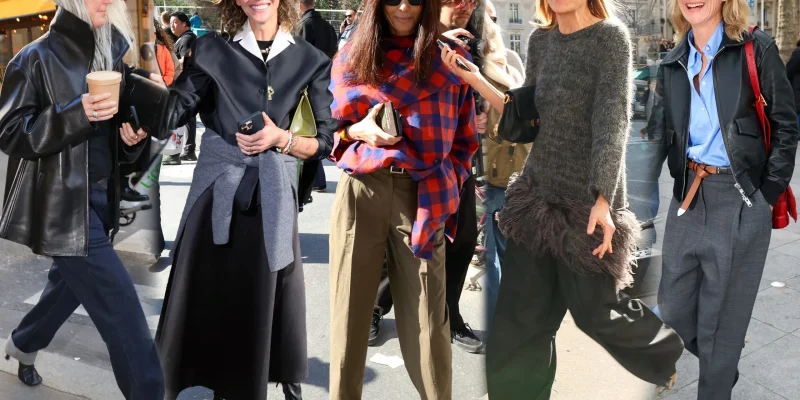
Fashion in 2025 is less about rigid trends and more about personal identity, conscious choices, and adaptability. The industry is redefining itself by blending creativity with responsibility, allowing individuals to express who they are without compromising comfort or values.
The Evolution of Modern Fashion
Fashion has shifted from seasonal dominance to year-round relevance. Designers now focus on longevity, versatility, and emotional connection rather than fast, disposable styles. This evolution reflects changing lifestyles, remote work culture, and a growing demand for ethical practices.
Key Forces Driving Change
-
Consumer awareness around sustainability and labor ethics
-
Technology integration in fabrics and production
-
Cultural diversity influencing global aesthetics
-
Digital platforms shaping how trends emerge and spread
Top Fashion Trends Shaping 2025
Sustainable and Ethical Style
Sustainability is no longer optional. Brands are investing in eco-friendly materials, transparent supply chains, and reduced waste models.
Popular sustainable elements include:
-
Organic cotton, hemp, and bamboo fabrics
-
Recycled denim and regenerated nylon
-
Low-impact dyes and water-saving processes
Quiet Luxury and Elevated Basics
Minimalism has matured into quiet luxury, where quality speaks louder than logos. Clean silhouettes, refined tailoring, and premium fabrics define this movement.
Wardrobe staples gaining attention:
-
Perfectly cut blazers
-
Neutral-toned knitwear
-
High-quality trousers and skirts
Gender-Fluid Fashion
Traditional boundaries continue to dissolve as gender-inclusive designs gain mainstream acceptance. Clothing is increasingly designed for body types rather than gender labels.
Statement Accessories
Accessories are becoming the focal point of outfits, offering an easy way to refresh existing wardrobes.
Trending accessories include:
-
Oversized belts
-
Sculptural jewelry
-
Bold handbags in unexpected textures
The Role of Technology in Fashion
Technology is transforming how fashion is designed, produced, and consumed.
Smart Fabrics and Wearable Tech
From temperature-regulating textiles to health-monitoring wearables, innovation is merging function with style.
Digital Fashion and Virtual Try-Ons
Virtual fashion shows, AR fitting rooms, and digital clothing for online avatars are redefining the shopping experience and reducing returns.
Personal Style Over Fast Trends
Modern fashion encourages individuality. Instead of chasing every trend, consumers are curating wardrobes that reflect their lifestyle and values.
Tips for building a timeless wardrobe:
-
Invest in versatile, high-quality pieces
-
Mix classic items with trend-driven accents
-
Prioritize comfort without sacrificing style
The Future Outlook of Fashion
Fashion’s future lies in balance—between creativity and responsibility, innovation and tradition. Brands that listen to consumers and adapt thoughtfully will define the next era of style.
Frequently Asked Questions
What defines sustainable fashion in practical terms?
Sustainable fashion focuses on environmentally friendly materials, ethical labor practices, reduced waste, and long-lasting garment quality.
Is fast fashion disappearing completely?
Fast fashion is evolving rather than disappearing, with many brands adopting slower, more responsible production models.
How can individuals develop a personal fashion identity?
By understanding their lifestyle, body type, and preferences, and choosing clothing that aligns with comfort, values, and confidence.
Are fashion trends still relevant today?
Trends still exist, but they are less prescriptive. People now adopt trends selectively rather than following them strictly.
What role does technology play in everyday clothing?
Technology enhances comfort, functionality, and shopping experiences through smart fabrics, customization, and virtual tools.
Is gender-neutral fashion a long-term shift?
Yes, it reflects broader cultural changes and is expected to grow as inclusivity becomes a standard rather than a niche.
How often should a wardrobe be updated?
A wardrobe should evolve gradually, focusing on replacing worn items and adding versatile pieces rather than frequent overhauls.







Comments