
 By
By 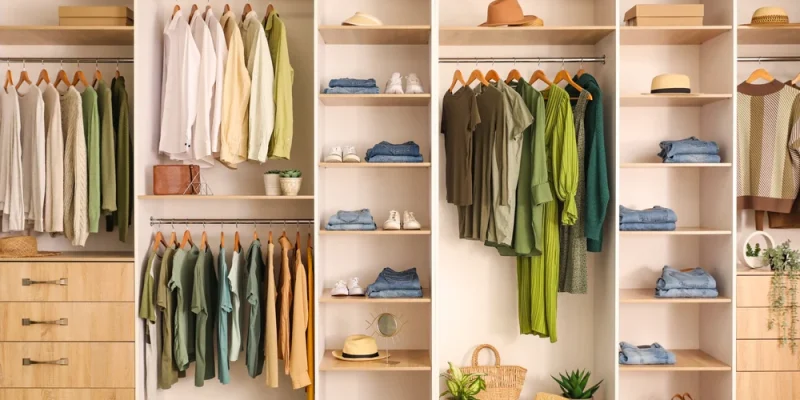
A well-curated closet does more than simplify your mornings—it reshapes the way you think about style. A capsule wardrobe focuses on versatility, longevity, and intentional purchasing. Instead of chasing trends, you build a collection of pieces that work seamlessly together year after year.
This approach isn’t about limiting self-expression. It’s about refining it.
What Is a Capsule Wardrobe?
A capsule wardrobe is a thoughtfully selected collection of clothing—usually between 25 to 50 items—that mix and match effortlessly. These items typically include tops, bottoms, outerwear, shoes, and sometimes occasion wear.
The core principles include:
-
Neutral color foundations
-
Classic silhouettes
-
High-quality fabrics
-
Minimal duplication
-
Seasonal adaptability
The idea is to reduce excess while increasing outfit combinations.
Why Build a Capsule Wardrobe?
1. Saves Time
With fewer, better options, getting dressed becomes faster and less stressful.
2. Reduces Decision Fatigue
Too many choices often lead to frustration. A streamlined closet eliminates unnecessary mental clutter.
3. Encourages Better Spending
When you invest in durable, timeless pieces, you buy less frequently and more intentionally.
4. Promotes Sustainability
Fewer impulse purchases mean less textile waste and lower environmental impact.
Step-by-Step Guide to Building a Capsule Wardrobe
Step 1: Audit Your Current Closet
Start by pulling everything out. Create three piles:
-
Keep
-
Donate/Sell
-
Repair or Alter
Keep only what fits well, feels comfortable, and aligns with your lifestyle.
Step 2: Define Your Personal Style
Ask yourself:
-
What outfits do I wear most often?
-
What colors dominate my closet?
-
What pieces make me feel confident?
Identify recurring themes—tailored pieces, relaxed silhouettes, monochrome looks, or structured layers.
Step 3: Choose a Core Color Palette
A strong foundation usually includes:
-
Black
-
White
-
Beige
-
Navy
-
Gray
You can then add 1–3 accent colors that complement your complexion and personality.
Step 4: Select Essential Pieces
Here’s a sample list for a timeless capsule:
Tops
-
Crisp white shirt
-
Neutral T-shirts (2–3)
-
Lightweight knit sweater
-
Button-down blouse
Bottoms
-
Tailored trousers
-
Dark denim jeans
-
Midi skirt or structured shorts
Outerwear
-
Classic blazer
-
Trench coat
-
Structured coat (wool or tailored)
Dresses (Optional)
-
Little black dress
-
Everyday neutral dress
Shoes
-
White sneakers
-
Leather loafers or flats
-
Ankle boots
-
Neutral heels
Step 5: Focus on Fabric Quality
Look for:
-
Cotton
-
Wool
-
Linen
-
Silk
-
High-quality denim
Natural fabrics age better and maintain shape longer.
Step 6: Prioritize Fit Over Trends
Tailoring can elevate even simple garments. A perfectly fitted blazer or pair of trousers instantly enhances your appearance.
Trends fade. Fit never does.
How Many Pieces Should a Capsule Wardrobe Have?
There’s no universal number. Some prefer 30 items per season, others rotate 40–50 year-round. The key is balance—enough variety for flexibility, but not so much that it becomes overwhelming.
Seasonal Rotation Strategy
Instead of storing everything away for months, consider:
-
Layering for colder months
-
Swapping heavy fabrics for breathable ones in summer
-
Keeping core neutral basics year-round
Rotate 5–10 seasonal pieces rather than rebuilding your wardrobe every few months.
Common Mistakes to Avoid
-
Buying duplicates “just in case”
-
Choosing trendy cuts that won’t age well
-
Ignoring comfort
-
Selecting colors that don’t complement your existing pieces
-
Focusing only on minimalism without considering personal style
A capsule wardrobe should feel curated—not restrictive.
Styling Tips to Maximize Versatility
-
Tuck shirts differently for new silhouettes
-
Layer a blazer over dresses
-
Switch footwear to shift formality
-
Use belts to redefine proportions
-
Incorporate subtle accessories for variation
Small adjustments can create entirely new looks from the same foundation pieces.
Maintaining a Capsule Wardrobe
Revisit your closet every 3–6 months:
-
Remove items that no longer fit your lifestyle
-
Replace worn essentials
-
Assess gaps before shopping
-
Follow a “one in, one out” rule
This keeps your wardrobe refined and intentional.
Is a Capsule Wardrobe Right for Everyone?
It works especially well for:
-
Busy professionals
-
Frequent travelers
-
Minimalists
-
People transitioning to sustainable fashion
However, creatives and trend-focused dressers may prefer a hybrid approach—maintaining a capsule core while rotating expressive statement pieces.
Final Thoughts
A capsule wardrobe isn’t about owning less for the sake of minimalism. It’s about owning better. When every piece serves a purpose and complements the rest, your closet becomes efficient, elegant, and timeless.
The result is clarity—not just in your wardrobe, but in your daily routine.
Frequently Asked Questions (FAQ)
1. Can I include statement pieces in a capsule wardrobe?
Yes. A capsule can include a few bold items as long as they coordinate with your core pieces and don’t overwhelm the overall balance.
2. How do I build a capsule wardrobe on a budget?
Start with what you already own. Replace essentials gradually, focusing on quality over quantity. Thrift stores and resale platforms are excellent options.
3. Should workout clothes be part of a capsule wardrobe?
That depends on your lifestyle. If fitness is part of your daily routine, activewear can be included in a separate mini-capsule.
4. What if my style changes over time?
A capsule wardrobe evolves. Reassess periodically and adjust your pieces to reflect your current needs and preferences.
5. Is a capsule wardrobe suitable for all seasons?
Yes. You can build seasonal capsules or maintain a year-round foundation with rotating seasonal layers.
6. How do I prevent my outfits from feeling repetitive?
Change accessories, experiment with layering, and vary footwear. Even small styling tweaks can create fresh combinations.
7. How long should clothing items in a capsule wardrobe last?
With proper care and quality fabrics, many staple pieces can last several years, sometimes even a decade or more.









Comments