
 By
By 
Mountain landscapes have long drawn travelers searching for clarity, solitude, and renewal. Elevated above crowded cities and daily pressures, these retreats offer stillness that feels almost tangible. Crisp air, wide horizons, and quiet forests create the kind of environment where reflection comes naturally.
Below are handpicked mountain destinations known for serenity, natural beauty, and restorative experiences.
1. Bhutan – The Himalayan Kingdom of Mindfulness
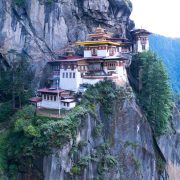
Tucked between India and China, Bhutan measures progress through Gross National Happiness rather than GDP. Its mountainous terrain shelters ancient monasteries and quiet valleys where daily life moves at a slower pace.
Why it’s ideal for peace seekers:
-
Remote Himalayan monasteries such as Tiger’s Nest (Paro Taktsang)
-
Strict tourism policies that limit overcrowding
-
Deep-rooted Buddhist culture encouraging mindfulness
-
Untouched forests covering more than 70% of the country
A stay in a hillside lodge overlooking Paro Valley can feel like stepping into a world untouched by modern chaos.
2. Swiss Alps – Alpine Stillness and Clean Air
The Swiss Alps offer a blend of luxury and tranquility. Beyond the famous ski resorts lie quiet villages where cowbells echo across green valleys and snow-dusted peaks frame the horizon.
What makes it restorative:
-
Pristine alpine lakes with mirror-like reflections
-
Extensive hiking trails far from tourist hubs
-
Wellness-focused mountain spas
-
Charming wooden chalets with panoramic views
Even a short alpine walk at sunrise can deliver profound mental clarity.
3. Blue Ridge Mountains – Gentle Solitude in the U.S.
Stretching across the eastern United States, the Blue Ridge Mountains are known for their rolling ridges and misty mornings. Unlike dramatic peaks elsewhere, these mountains provide a softer, more intimate atmosphere.
Reasons to consider:
-
Quiet cabins nestled in wooded hills
-
Scenic drives along the Blue Ridge Parkway
-
Waterfalls and forest trails with light foot traffic
-
Autumn foliage that transforms entire valleys
It’s an accessible escape for those who want nature without extreme altitude.
4. Japanese Alps – Zen-Like Mountain Escape
The Japanese Alps combine dramatic peaks with traditional villages and soothing hot springs. The region’s cultural emphasis on simplicity and balance enhances its calming effect.
Highlights include:
-
Kamikochi Valley’s crystal-clear rivers
-
Open-air onsen surrounded by mountains
-
Traditional ryokan stays with minimalistic design
-
Quiet walking paths through alpine forests
Evenings spent soaking in thermal waters while cool mountain air surrounds you offer a deep sense of renewal.
5. Andes Mountains – Vast Horizons and Sacred Landscapes
The Andes stretch along South America’s western edge, offering some of the most expansive mountain scenery on Earth. In places like Peru and Patagonia, silence feels boundless.
Why peace seekers are drawn here:
-
Wide-open valleys with minimal development
-
Indigenous traditions connected to the land
-
High-altitude lakes reflecting endless skies
-
Lodges designed for seclusion and stargazing
The sense of scale in the Andes naturally encourages introspection.
How to Choose the Right Mountain Retreat
Selecting the ideal mountain destination depends on your personal rhythm and comfort level.
Consider:
-
Accessibility: Do you prefer remote trekking or easy road access?
-
Climate: Snowy serenity or mild green valleys?
-
Cultural immersion: Monasteries, alpine villages, or indigenous heritage?
-
Comfort level: Rustic cabin, boutique lodge, or wellness resort?
A peaceful retreat isn’t defined by distance from civilization alone. It’s about finding a landscape that resonates with your inner pace.
Benefits of Mountain Retreats
Spending time in mountainous regions has measurable mental and physical benefits:
-
Lower stress levels due to reduced noise pollution
-
Improved sleep from cooler temperatures and cleaner air
-
Enhanced focus after digital detox periods
-
Increased physical vitality through hiking and outdoor movement
The combination of altitude, fresh air, and natural beauty fosters a powerful reset for both body and mind.
Frequently Asked Questions (FAQs)
1. What is the best time of year for a mountain retreat?
It depends on the destination. Summer offers accessible trails and mild weather, while winter provides snowy tranquility. Research local climate patterns before planning.
2. Are mountain retreats suitable for solo travelers?
Yes. Many peaceful mountain destinations are ideal for solo journeys, especially for reflection, meditation, and self-discovery.
3. Do I need to be physically fit to enjoy a mountain retreat?
Not necessarily. Many retreats offer gentle walking paths and scenic viewpoints that require minimal exertion.
4. How long should a mountain retreat last?
A long weekend can be refreshing, but 5–7 days allows deeper mental and emotional restoration.
5. Are mountain retreats expensive?
Costs vary widely. Options range from simple cabins and guesthouses to luxury wellness resorts.
6. What should I pack for a peaceful mountain stay?
Layered clothing, sturdy footwear, a reusable water bottle, sunscreen, and a journal for reflection are recommended.
7. Can mountain retreats help with burnout?
Yes. The quiet environment, reduced digital distractions, and natural surroundings can significantly support stress recovery and mental clarity.







Comments