
 By
By 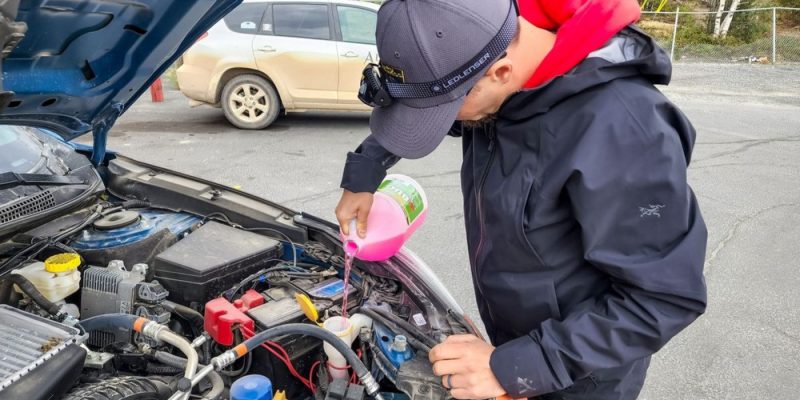
Proper car maintenance is the foundation of vehicle reliability, safety, and performance. Regular upkeep not only prevents unexpected breakdowns but also helps maintain resale value and fuel efficiency. Ignoring basic maintenance can lead to costly repairs and reduced driving comfort over time.
Modern vehicles are engineered for durability, but they still rely on consistent care to perform at their best.
Routine Car Maintenance Tasks You Should Never Skip
Engine Oil and Filter Changes
Engine oil lubricates internal components and reduces wear. Over time, oil degrades and collects contaminants.
Benefits of regular oil changes include:
-
Improved engine performance
-
Reduced friction and overheating
-
Longer engine life
Following the manufacturer’s recommended oil change intervals is essential.
Tire Inspection and Rotation
Tires play a critical role in safety and handling.
Key tire maintenance practices:
-
Maintain correct tire pressure
-
Rotate tires regularly for even wear
-
Check tread depth to ensure proper grip
Well-maintained tires improve fuel efficiency and braking performance.
Brake System Maintenance
Why Brake Health Matters
The braking system is one of the most vital safety components in any vehicle. Worn brakes reduce stopping power and increase accident risk.
Brake maintenance typically includes:
-
Inspecting brake pads and rotors
-
Checking brake fluid levels
-
Listening for unusual noises during braking
Addressing brake issues early prevents more extensive repairs.
Battery and Electrical System Care
Preventing Unexpected Battery Failure
Car batteries weaken over time due to temperature changes and usage patterns.
Simple battery care tips:
-
Inspect terminals for corrosion
-
Ensure secure connections
-
Test battery health during routine servicing
A healthy battery ensures reliable starting and smooth operation of electronic systems.
Fluid Checks and Replacements
Essential Vehicle Fluids
Beyond engine oil, vehicles rely on multiple fluids for optimal function.
Important fluids to monitor include:
-
Coolant
-
Transmission fluid
-
Brake fluid
-
Power steering fluid
-
Windshield washer fluid
Low or contaminated fluids can negatively impact performance and safety.
Air Filters and Cabin Comfort
Engine and Cabin Air Filters
Air filters protect both the engine and passengers.
Replacing filters regularly helps:
-
Improve fuel economy
-
Enhance engine efficiency
-
Maintain clean air inside the cabin
Clean filters contribute to better overall driving comfort.
Long-Term Benefits of Preventive Maintenance
Consistent car maintenance results in:
-
Lower repair costs over time
-
Improved fuel efficiency
-
Enhanced vehicle reliability
-
Better resale value
Preventive care is always more cost-effective than reactive repairs.
FAQs
How often should I service my car?
Most vehicles require basic servicing every 5,000 to 10,000 miles, depending on driving conditions and manufacturer recommendations.
What happens if I skip regular maintenance?
Skipping maintenance can lead to mechanical failures, higher repair costs, and reduced safety.
Is car maintenance different for newer vehicles?
Newer vehicles often have longer service intervals but still require regular inspections and fluid checks.
Can regular maintenance improve fuel efficiency?
Yes, properly maintained engines, tires, and filters significantly improve fuel economy.
How do I know when my brakes need servicing?
Common signs include squealing noises, vibration while braking, or reduced stopping power.
Does preventive maintenance increase resale value?
Well-documented maintenance history makes a vehicle more attractive to buyers and increases resale value.
Can I perform basic car maintenance myself?
Simple tasks like checking fluids and tire pressure can be done at home, but professional servicing is recommended for complex components.













Comments