
 By
By 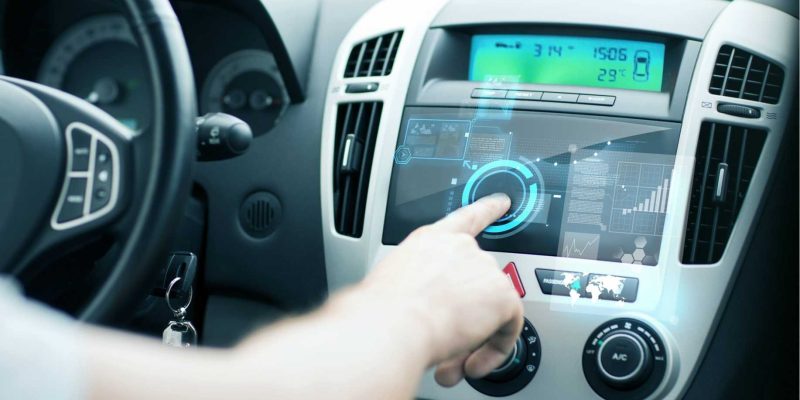
The auto industry has undergone a remarkable transformation over the past century, evolving from simple mechanical inventions to sophisticated vehicles that combine technology, efficiency, and safety. This evolution not only reflects technological advancement but also mirrors shifts in consumer behavior, environmental awareness, and regulatory frameworks. Today, the auto industry continues to redefine mobility, making it an essential topic for enthusiasts, policymakers, and businesses alike.
The Historical Development of Automobiles
The journey of the automobile began in the late 19th century with early pioneers experimenting with steam, electric, and gasoline engines. Each innovation contributed to the modern vehicle we know today.
Early Innovations and Key Milestones
- Steam-powered vehicles were among the first to demonstrate the potential of mechanized transport, although their weight and complexity limited widespread adoption.
- Gasoline engines, introduced in the late 1800s, provided the efficiency and power needed for practical daily use, leading to the mass production era.
- Ford’s Model T, released in 1908, revolutionized the market by making cars affordable to the average consumer, thanks to assembly line production techniques.
These developments laid the foundation for the global automotive industry, emphasizing the importance of scalability, efficiency, and accessibility in transportation.
Modern Automotive Technology
Today’s vehicles are far more than mere transportation devices. They integrate complex systems that enhance performance, safety, and user experience.
Advanced Engine Systems
Modern engines are designed for higher fuel efficiency and reduced emissions. Technologies like turbocharging, direct fuel injection, and hybrid powertrains allow vehicles to deliver both performance and environmental benefits.
Electric and Hybrid Vehicles
- Electric vehicles (EVs) are gaining momentum due to their sustainability and lower operational costs. EVs use electric motors powered by rechargeable batteries, which reduce carbon emissions and dependence on fossil fuels.
- Hybrid vehicles combine internal combustion engines with electric propulsion, offering a balance between performance and fuel efficiency.
Autonomous and Connected Vehicles
Advancements in artificial intelligence and sensor technology have paved the way for autonomous vehicles. Features like adaptive cruise control, lane-keeping assist, and automatic emergency braking improve safety and reduce driver fatigue. Connected vehicles also communicate with other cars and infrastructure, enabling smart traffic management and real-time navigation updates.
Safety Innovations in the Auto Industry
Vehicle safety has always been a priority for manufacturers, and modern innovations have significantly reduced road accidents and fatalities.
Key Safety Features
- Advanced Driver Assistance Systems (ADAS): These include collision avoidance, blind-spot monitoring, and pedestrian detection.
- Airbag Technology: Evolved from single airbags to multi-directional systems that provide comprehensive protection.
- Structural Integrity: Modern vehicles are designed with crumple zones and reinforced frames to absorb impact energy.
The integration of these technologies reflects a growing emphasis on not only meeting regulatory requirements but also enhancing consumer confidence and trust.
Environmental Impact and Sustainability
The auto industry is facing increasing scrutiny over its environmental footprint. Manufacturers are adopting eco-friendly technologies and practices to reduce emissions and resource consumption.
Strategies for Sustainable Mobility
- Electric Mobility: Transitioning to EVs reduces greenhouse gas emissions.
- Lightweight Materials: Using aluminum, carbon fiber, and composites reduces vehicle weight and improves fuel efficiency.
- Recycling and Circular Economy: Modern automakers are focusing on recycling vehicle components and using sustainable materials to minimize waste.
These strategies demonstrate how the auto industry is aligning technological innovation with environmental responsibility.
Consumer Trends and Market Dynamics
The modern consumer is more informed and selective, seeking vehicles that combine performance, convenience, and sustainability.
Shifts in Consumer Preferences
- Growing demand for electric and hybrid vehicles due to environmental awareness.
- Increased focus on connected car features and digital integration.
- Preference for compact and fuel-efficient vehicles in urban areas to address congestion and parking challenges.
These trends are reshaping the market and driving manufacturers to innovate continuously to meet evolving consumer needs.
Global Market Considerations
- Emerging Markets: Rising incomes in countries like India, China, and Brazil are increasing demand for automobiles.
- Regulatory Compliance: Stricter emissions and safety standards in regions such as Europe and North America influence vehicle design and production.
Understanding these dynamics is crucial for businesses aiming to succeed in a competitive global automotive market.
The Role of Digital Transformation
The integration of digital technologies is transforming how vehicles are designed, manufactured, and maintained.
Key Digital Innovations
- Connected Manufacturing: IoT and robotics optimize production efficiency and reduce errors.
- Predictive Maintenance: Sensors and AI monitor vehicle health and predict failures before they occur.
- Digital Retail Experiences: Online configurators and virtual showrooms allow consumers to explore vehicles remotely, enhancing engagement and convenience.
Digital transformation ensures that the auto industry remains agile, responsive, and capable of meeting the demands of modern consumers.
Economic and Employment Impact
The auto industry is a significant contributor to the global economy, generating millions of jobs across manufacturing, research, and services.
Employment Opportunities
- Automotive engineering and design.
- Manufacturing and assembly line operations.
- Sales, marketing, and aftermarket services.
The industry also drives economic activity indirectly through supply chains, logistics, and technology development.
Future Outlook: Mobility of Tomorrow
The future of the auto industry is closely tied to innovation, sustainability, and digitalization. Upcoming trends are likely to redefine how people move and interact with vehicles.
Emerging Trends
- Shared Mobility: Ride-sharing and subscription models reduce vehicle ownership costs and urban congestion.
- Autonomous Delivery Vehicles: AI-driven delivery vehicles promise faster, safer, and more efficient logistics.
- Sustainable Energy Integration: Solar and hydrogen-powered vehicles could supplement traditional and electric propulsion methods.
These innovations suggest a future where mobility is smarter, cleaner, and more integrated into daily life.
Frequently Asked Questions About Automobiles
What are the main types of modern vehicles?
Modern vehicles include internal combustion engine vehicles, hybrids, and electric vehicles, each offering unique advantages in performance, efficiency, and environmental impact.
How do electric vehicles differ from traditional cars?
Electric vehicles rely on rechargeable batteries and electric motors, producing zero tailpipe emissions and often lower operating costs compared to gasoline-powered cars.
What safety technologies are standard in today’s cars?
Standard safety features often include airbags, anti-lock braking systems, and electronic stability control, while advanced vehicles may offer lane departure warnings, adaptive cruise control, and automatic emergency braking.
How is the auto industry addressing environmental concerns?
The industry is focusing on EVs, lightweight materials, improved fuel efficiency, and recycling initiatives to minimize carbon footprints and resource consumption.
What role does AI play in modern automobiles?
Artificial intelligence enables autonomous driving, predictive maintenance, and smart navigation, enhancing safety, convenience, and overall vehicle efficiency.
How is consumer behavior influencing the auto market?
Consumers increasingly value sustainability, connectivity, and convenience, prompting manufacturers to innovate in electric mobility, digital integration, and compact vehicle designs.













Comments