
 By
By 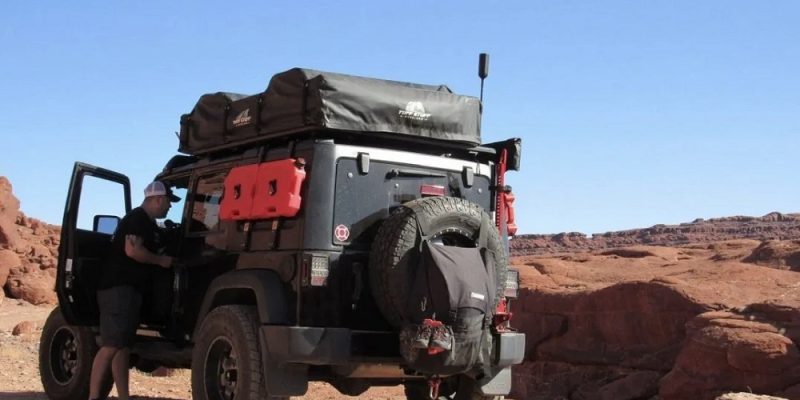
Overlanding blends off-road driving with self-reliant travel. Unlike traditional road trips that revolve around destinations, overlanding prioritizes the journey—navigating remote landscapes, camping off-grid, and relying on a well-prepared vehicle to access places few travelers reach.
At its core, overlanding is about independence, exploration, and responsible adventure. With the right off-road vehicle and thoughtful planning, it opens doors to deserts, forests, mountains, and coastlines far beyond paved highways.
What Is Overlanding?
Overlanding is long-distance travel to remote areas where the vehicle serves as both transportation and base camp. The focus is not speed or extreme terrain but sustainable, self-sufficient exploration.
Key characteristics include:
-
Extended travel across varied terrain
-
Vehicle-based camping, often off-grid
-
Navigation through unpaved routes
-
Self-reliance with essential gear and supplies
While overlanding often involves rugged trails, it doesn’t require extreme rock crawling. The emphasis is on reliability and preparation rather than adrenaline alone.
Choosing the Right Off-Road Vehicle
The foundation of any overlanding journey is a capable vehicle. Not all 4x4s are built equally, and reliability matters more than raw horsepower.
Essential Features
When selecting or preparing a vehicle, prioritize:
-
Four-wheel drive (4WD) or all-wheel drive (AWD)
-
High ground clearance
-
Durable suspension system
-
All-terrain or mud-terrain tires
-
Strong aftermarket support
Popular Overlanding Vehicles
Several models have earned a reputation among enthusiasts:
-
Toyota Land Cruiser – Known for durability and global reliability
-
Jeep Wrangler – Exceptional off-road articulation and aftermarket options
-
Ford Bronco – Advanced terrain management systems
-
Land Rover Defender – Iconic expedition heritage
Ultimately, the best vehicle is one that matches your terrain, budget, and mechanical comfort level.
Must-Have Overlanding Gear
A successful trip depends on thoughtful packing. Overloading your vehicle reduces efficiency and handling, so balance is critical.
Recovery Equipment
Even experienced drivers encounter challenges. Carry:
-
Recovery boards
-
Tow straps
-
A high-lift or bottle jack
-
Air compressor
-
Shovel
Camping Setup
Comfort improves decision-making and safety on long trips.
-
Rooftop tent or ground tent
-
Sleeping system suited for climate
-
Portable stove and cookware
-
Water storage and filtration
-
Portable fridge or cooler
Navigation and Communication
Cell service often disappears in remote areas.
-
Offline GPS devices or maps
-
Two-way radios or satellite communicator
-
Emergency beacon
Preparedness reduces risk and increases confidence on unfamiliar terrain.
Planning an Overlanding Route
Spontaneity is part of the appeal, but strategic planning ensures safety.
Research Terrain and Regulations
Before departure:
-
Confirm road access and seasonal closures
-
Check weather forecasts
-
Understand land-use rules
-
Identify fuel and resupply points
Public lands often allow dispersed camping, but regulations vary by region. Responsible travel preserves access for everyone.
Estimate Fuel and Range
Off-road driving consumes more fuel than highway cruising. Always plan for a safety margin and consider carrying extra fuel when venturing far from services.
Driving Techniques for Off-Road Travel
Skill matters as much as equipment. Smooth, controlled driving protects both vehicle and terrain.
-
Use low-range gearing on steep climbs and descents
-
Maintain steady throttle over loose surfaces
-
Reduce tire pressure for better traction (and reinflate afterward)
-
Approach water crossings cautiously and assess depth first
Patience prevents mechanical damage and unnecessary recovery situations.
Sustainability and Leave No Trace
Overlanding depends on preserving wild spaces. Ethical practices ensure future access.
Follow these principles:
-
Stay on established trails
-
Pack out all waste
-
Minimize campfire impact
-
Respect wildlife and other travelers
A responsible overlander leaves no evidence beyond tire tracks—and often not even those.
Benefits of Overlanding
Beyond adventure, overlanding offers:
-
Stronger self-reliance skills
-
Deeper connection with nature
-
Freedom from rigid itineraries
-
Community with fellow explorers
The combination of technical driving, logistical planning, and outdoor living creates a uniquely rewarding experience.
Common Challenges
Even well-planned trips present obstacles.
-
Mechanical failures
-
Sudden weather shifts
-
Navigation errors
-
Fatigue from long-distance driving
Preparation and flexibility are the best defenses against these setbacks.
Final Thoughts
Overlanding with off-road vehicles transforms travel into an immersive experience. It blends exploration, engineering, and outdoor living into one cohesive adventure. With proper planning, reliable equipment, and respect for the environment, overlanding becomes more than a hobby—it becomes a way of seeing the world from roads less traveled.
Frequently Asked Questions (FAQ)
1. Is overlanding suitable for beginners?
Yes. Start with short weekend trips on maintained trails before progressing to remote routes. Focus on learning vehicle capabilities and basic recovery skills.
2. How much does it cost to start overlanding?
Costs vary widely. Many begin with a stock 4×4 and minimal camping gear. Upgrades can be added gradually as experience grows.
3. Do I need extensive mechanical knowledge?
Basic mechanical understanding is highly recommended. Knowing how to change a tire, repair a puncture, or diagnose simple issues is essential in remote areas.
4. What is the ideal trip length for overlanding?
Trips can range from overnight excursions to multi-week expeditions. Beginners often benefit from shorter journeys to build confidence.
5. How do I ensure safety while traveling alone?
Share your itinerary with someone you trust, carry a satellite communicator, and avoid high-risk terrain beyond your skill level.
6. Can overlanding be done in cold or extreme climates?
Yes, but it requires climate-appropriate gear, insulation, and careful planning for fuel, water, and emergency contingencies.
7. What’s the difference between overlanding and off-roading?
Off-roading focuses on technical driving challenges, while overlanding emphasizes long-distance, self-sufficient travel where the journey itself is the primary goal.










Comments